
You check your bank balance before paying rent and realize something is not adding up. Hidden benefits could ease that weight, and BenefitsCheckUp helps uncover programs tailored to you. Scrolling through websites for answers wastes time and leaves questions unanswered. A single free tool gathers local, state, and federal assistance options into one personalized results page.
This guide by CredHelper breaks everything down clearly and shows you how to unlock real financial relief. Keep reading and discover what support may already be waiting.
Read Also: VA Loan: Mortgage Benefits for Veterans and Families
What is the BenefitsCheckUp program?
Searching for financial support online can leave you jumping between scattered pages, unsure which programs truly apply to your age, income, or household situation.
BenefitsCheckUp is a free, confidential tool created by the National Council on Aging to help older adults, people with disabilities, and caregivers locate assistance programs nationwide.
You enter your ZIP code and select categories of interest, then explore available programs before using the eligibility checker to identify benefits that match your personal information.
How the screening engine matches benefits
After choosing assistance categories, the platform guides you to an eligibility checker that asks structured questions about age, household size, marital status, and income.
Your answers are securely compared against detailed program rules, generating tailored results that reflect qualifications based on the personal and financial data you provide.
Database covering federal state and local aid
The website draws from a broad database that includes national initiatives, state programs, and smaller community-based resources across the country.
This multi-level coverage increases your chances of locating benefits supported by federal, state, and local funding sources aligned with your financial profile.
Private and nonprofit programs included
In addition to government aid, the platform also highlights nonprofit organizations and charitable programs operating within your local community.
These listings expand your search beyond public agencies, connecting you with relief funds, service providers, and foundations offering assistance based on eligibility criteria.

Who can register for available benefits?
You might assume assistance is reserved for a small group, but eligibility extends to older adults, caregivers, people with disabilities, and households meeting specific income guidelines.
Registration does not require membership fees or subscriptions. If you provide accurate personal and financial details, the platform evaluates programs that align with your profile.
By completing the screening, you can discover benefits linked to healthcare, food, housing, transportation, and daily expenses based on age, income, and household situation.
Conditions and required documents
Most programs require basic documentation to confirm identity, residence, and financial status during the application stage with the official agency managing the assistance.
You may need to provide proof of income, government identification, utility bills, or medical documentation depending on the specific program requirements.
Income and age eligibility basics
Eligibility guidelines frequently depend on household income levels and age thresholds set by each program or funding source.
Your household earnings and age determine which benefits appear in results, including assistance for adults 55 and over, and lower-income households.
Special rules for disabled applicants
Applicants living with disabilities may qualify for additional support programs designed to offset medical costs, mobility needs, or home care services.
Certain programs request medical certification, disability status documentation, or proof of enrollment in federal disability assistance initiatives to confirm eligibility.
Read Also: Retirement Planning for Gig Workers: Exploring SEP IRAs and Solo 401(k)s
Types of assistance available in the tool
The platform connects you to benefits that support essential areas of daily life, from groceries and rent to medical costs and utility bills.
Instead of searching program by program, you see organized categories that reflect real household needs and common financial challenges faced across different stages of life.
Each category groups assistance by purpose, helping you quickly identify which areas may provide relief and which programs align with your current expenses.
Food and nutrition support programs
Access to reliable meals can change how your monthly budget functions, especially when grocery prices rise or income remains fixed.
Through the screening process, you may uncover benefits such as SNAP, meal delivery services, or local food assistance initiatives supporting eligible households.
Help with housing and utilities
Housing related programs focus on keeping your home stable by assisting with rent, property taxes, heating costs, or essential utility payments.
Energy assistance programs like LIHEAP, water bill relief initiatives, and local housing subsidies can reduce the burden of recurring monthly expenses.
Medical and prescription cost relief
Healthcare support programs address expenses tied to doctor visits, insurance premiums, and prescription medications that strain fixed or limited incomes.
Depending on eligibility rules, you may qualify for Medicare Savings Programs, Part D assistance, or other benefits that lower out-of-pocket healthcare costs.

Other types of government benefits you may not know about
Beyond food, housing, and healthcare, there are lesser-known programs designed to support everyday needs that quietly affect your financial stability.
These programs may not receive widespread attention, but they exist at state and local levels to address practical challenges people face each month.
When you explore overlooked categories, you might uncover benefits tied to transportation, tax relief, or emergency funds that rarely appear in common searches.
Transportation and mobility assistance
Reliable transportation determines whether you can attend medical appointments, buy groceries, or remain active in your community without depending entirely on others.
Programs like reduced-fare public transit passes, ADA paratransit services, and state-funded senior ride initiatives provide accessible mobility support for eligible applicants.
Property tax and energy rebates
Homeowners may qualify for property tax relief programs, homestead exemptions, or senior tax freezes that lower annual housing costs significantly.
Energy initiatives such as Weatherization Assistance and state-funded utility rebate programs provide benefits through heating credits, insulation upgrades, or seasonal bill assistance.
Emergency cash and local grants
Short-term financial crises can arise from medical bills, urgent repairs, or sudden income changes that disrupt household stability.
Community Action Agencies, General Assistance programs, and local hardship funds may provide emergency cash support to help stabilize eligible households temporarily.
Read Also: Home Closing Costs: Understanding the Fees and Taxes
Step-by-step guide to searching for assistance in the tool
Searching for available benefits inside the platform follows a guided path that organizes your information and connects you with assistance programs matched to your personal profile.
Rather than navigating multiple government websites, you move through clearly defined sections that narrow results using your location, household details, and financial information.
As you complete each stage thoughtfully, the tool refines matches and outlines what programs align with your situation and what practical actions you can take next.
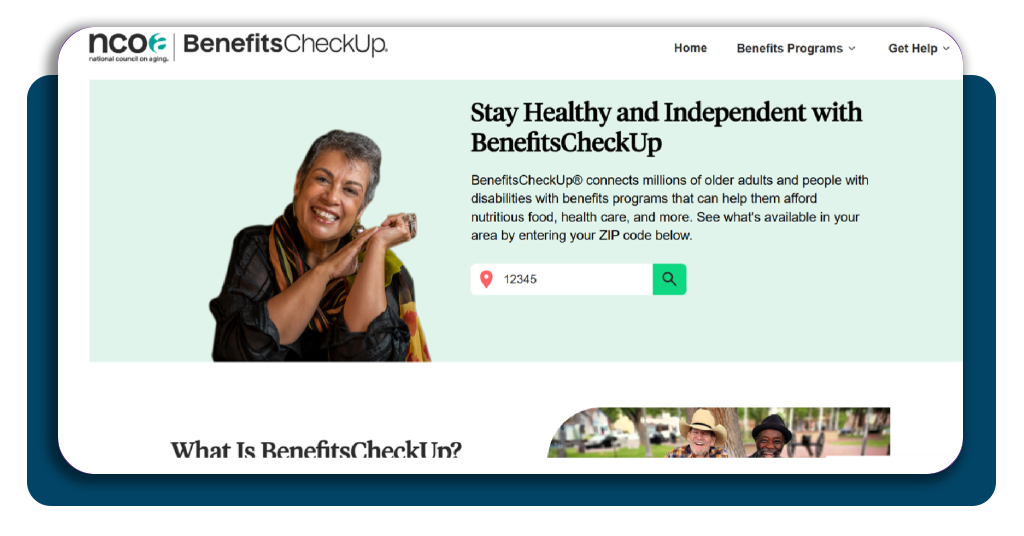
Step 1: entering your ZIP code correctly
Your ZIP code determines which state and local programs appear in your search results, so accuracy at this stage shapes everything that follows.
Entering the correct location ensures you see benefits tied to your area, including county services and community-based assistance programs.
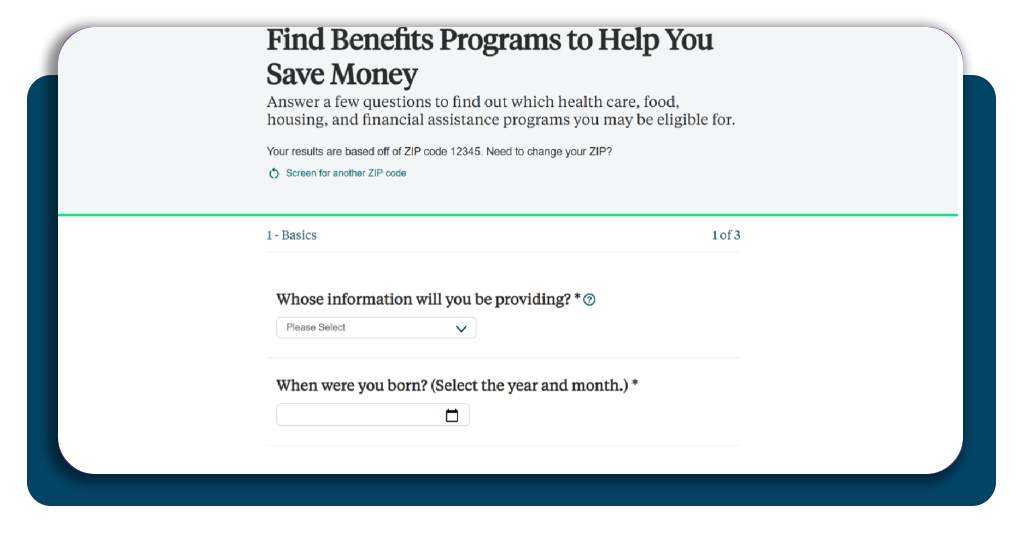
Step 2: answering income questions accurately
The eligibility checker asks about household size, monthly income, and sources such as wages, retirement payments, or disability support.
Providing precise figures allows the system to filter programs based on income thresholds that determine qualification for specific assistance categories.
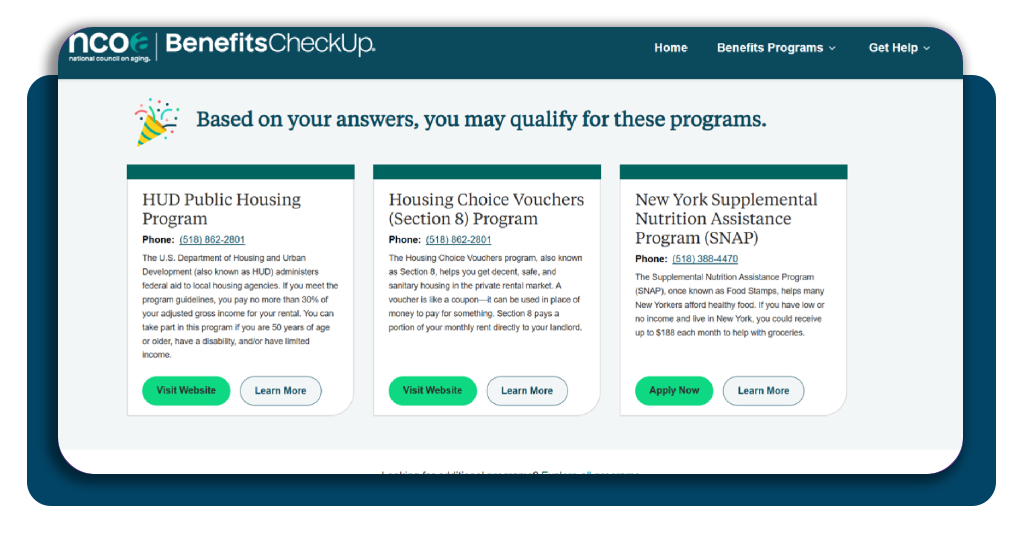
Step 3: reviewing and saving your results
After completing the questionnaire, the tool generates a personalized list showing programs that align with your responses and location details.
Take time to review each listing carefully and save relevant pages, since approved benefits may require separate applications through official agencies.
Check before another dollar goes unclaimed
Overlooking financial assistance can cost you real money each year. Taking a few minutes to check available programs could reveal support that changes your monthly budget.
This guide by CredHelper showed how to uncover overlooked benefits using a trusted screening tool designed to match programs with your income and household details.
Keep exploring and stay informed about programs that support your daily expenses. Read more CredHelper articles about government benefits and discover opportunities that apply to you.