
Digital payments have become routine nowadays, and many people enter card information online almost automatically now, sometimes without stopping to think about how many websites, apps, emails, payment links, and online stores request sensitive financial data every single week. In this scenario, learning how to protect yourself from credit card fraud is more than essential.
Unfortunately, that convenience created more opportunities for scammers, phishing schemes, fake checkout pages, stolen card numbers, and fraudulent transactions designed to exploit distracted users during ordinary online activity. With CredHelper, you’ll learn how clicking fake links, reusing passwords, and ignoring suspicious account activity can be a bad idea.
Common types of credit card fraud and scams
There are many types of credit card fraud that can appear in many different forms today.
But keep in mind that most scams are designed to look ordinary enough that people lower their guard before realizing something is wrong.
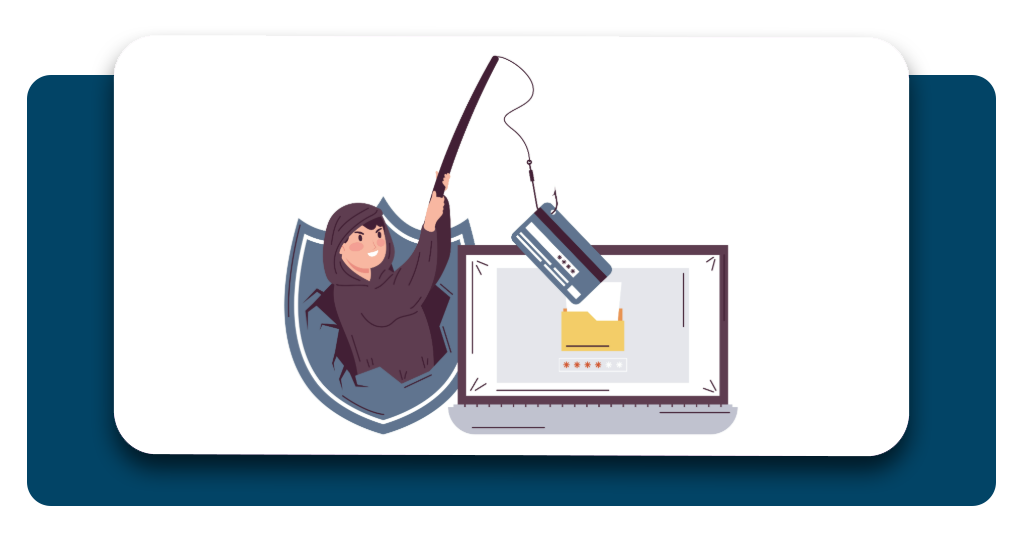
One of the most common scams involves phishing messages.
Usually, they pretend to be banks, delivery companies, streaming services, or financial institutions asking users to verify payment information through fake websites.
Card skimming is also another major problem. That happens even more at compromised ATMs and payment terminals where hidden devices capture card data during transactions.
In addition, there are some fraud schemes operating through fake online stores offering unrealistic discounts designed to collect payment details from shoppers.
And this is not enough. There are subscription traps and fraudulent recurring charges that create problems as well.
This happens particularly when small, unnoticed payments continue appearing quietly on statements for months before the cardholder finally notices them.
Warning signs to watch for
Still, plenty of credit card scams follow similar behavioral patterns. That means small warning signs appear before fraudulent activity becomes a larger financial problem.
So if you get unexpected text messages, emails, or phone calls requesting urgent payment verification, you should immediately raise suspicion.
Something that adds up is when the communication pressures users to act quickly without proper confirmation.
For example, suspicious websites tend to reveal themselves through strange URLs, poor general quality, unusual payment instructions, or missing security indicators on checkout.
Another warning sign involves unauthorized transactions appearing on statements because scammers test stolen card info with low-value purchases before attempting larger charges.
Keep aware of repeated login alerts or account access attempts that you didn’t request. It may indicate compromised financial information connected to banking or payment platforms.
When fraud succeeds, it’s usually from an urgency that overwhelms caution and people react emotionally before taking a moment to verify if the request actually makes sense.
Step-by-step: how to protect your card and data
If you want to protect yourself from credit card fraud check the tutorial below and start paying more attention:
Step 1: use secure and trusted websites
When buying online, first check website addresses carefully and confirm the platform uses secure payment encryption before entering card information online.
Step 2: activate banking alerts
Remember to enable transaction notifications, login alerts, and suspicious activity warnings through your banking or credit card app.
Step 3: avoid public Wi-Fi for payments
Use secure internet connections during online purchases instead of entering sensitive financial information through open public networks.
Step 4: monitor account activity regularly
Review statements and transaction history frequently so suspicious charges are identified as early as possible.
Step 5: protect passwords and devices
Lastly, create strong passwords, update devices regularly, and avoid reusing the same login credentials across multiple financial accounts.
What to do immediately if fraud happens
If you discover a scam, of course it is gonna be stressful, but if you want to protect yourself from credit card fraud, acting quickly reduces financial damage significantly.
The first step is contacting the card issuer immediately to report suspicious transactions.
After that, the issuer will freeze the account if necessary and request a replacement card before additional unauthorized charges appear.
It is also important to check recent account activity thoroughly so every unfamiliar transaction is identified and documented during the fraud report process.
Then, it’s important to change passwords connected to banking apps, email accounts, and payment platforms.
That needs to happen quickly as well, especially if login credentials may have been exposed during phishing attacks or compromised websites.
Some situations may also require placing fraud alerts on credit reports or monitoring credit activity more closely afterward to reduce the risk of identity-related financial abuse.
As you can see, speed plays a big part, and responding rapidly limits losses more effectively than spending hours trying to understand exactly how the fraud happened first.
Tools and alerts that help prevent fraud
Thankfully, modern banking tools lower fraud risks considerably.
When you activate security features before suspicious activity, you get an extra layer to protect yourself from credit card fraud.
Among those security features, transaction notifications remain one of the most effective protections.
Notifications allow cardholders to identify unfamiliar purchases almost immediately after the payment is processed.
Also, banking apps have temporary card locking features, spending alerts, location-based monitoring, biometric login, and suspicious activity detection connected to unusual behavior.
Alongside, virtual credit cards add another layer of security for online shopping as well.
The virtual cards reduce direct exposure of the physical card number across multiple websites and payment platforms.
Credit monitoring services may also detect identity-related risks earlier through alerts connected to new accounts or major changes appearing on credit reports unexpectedly.
Staying safer in a world of digital payments
Credit card fraud and online scams continue evolving as digital transactions become more common across online activity.
Now, protecting financial information now depends heavily on consistent security habits the we mentioned above and responding quickly to unusual account activity.
Also, using banking alerts, virtual cards, strong passwords, and fraud monitoring tools reduce risks when combined with careful attention during online payments.
For most people, preventing fraud is focused on building routines that make it harder for scammers to take advantage of distraction, urgency, or overlooked warning signs.
Looking for financial tips? Favorite CredHelper to learn how to manage your finances like a pro using the best available tools.