
Knowing which records to collect before you file your taxes can reduce mistakes, speed up processing, and help ensure you receive any deductions or credits you’re entitled to claim.
For millions of Americans, gathering documents is the most time-consuming part of the process, not filling out the tax return itself. Looking for help? Read ahead on CredHelper.
How to find the documents to file your taxes in the US?
Before you file your taxes, it’s important to understand that the IRS expects taxpayers to report all taxable income, not just the income shown on the first form that arrives in the mail.
For most employees, the process begins with Form W-2, which summarizes annual wages and taxes withheld by an employer. Employers are generally required to provide W-2 forms by the end of January, either electronically or by mail.
Independent contractors, freelancers, and gig workers may instead receive one or more Forms 1099. Depending on the type of income earned, you might receive a 1099-NEC, 1099-K, 1099-INT, 1099-DIV, or other variations.
Taxpayers should also collect documents related to the following:
- Social Security benefits;
- Unemployment compensation;
- Retirement distributions;
- Student loan interest;
- Mortgage interest;
- Health Savings Accounts (HSAs);
- Education expenses;
- Investment income.
If a document is missing, don’t panic.
Many records can be retrieved from employers, banks, brokerage firms, payroll providers, or online tax portals. The IRS also provides access to tax transcripts and other records that may help reconstruct missing information.
One common mistake occurs when taxpayers assume that not receiving a form means the income doesn’t need to be reported.
In reality, if the income was earned, it should be included on the return whether the form arrived or not.
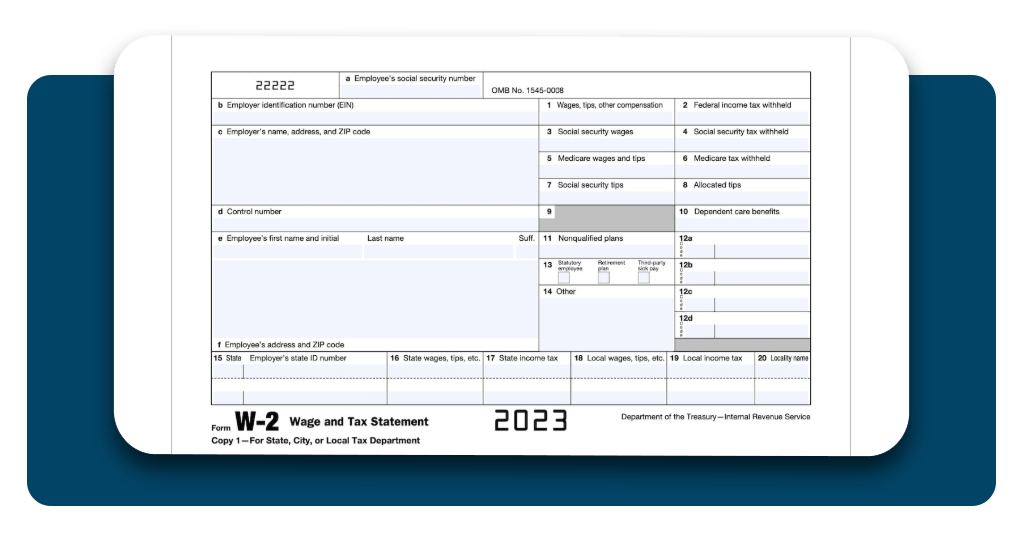
How gathering official tax records upfront protects taxpayers
Tax preparation often feels like an administrative chore, but collecting records early serves a purpose. When people rush to file your taxes near the deadline, errors become more likely.
Missing income forms, incorrect Social Security numbers, and overlooked deductions are among the most common filing mistakes reported each year.
Having complete documentation helps taxpayers:
- Reduce the risk of IRS notices;
- Verify income accurately;
- Claim eligible deductions and credits;
- Support information if audited;
- Avoid filing amended returns later.
Documentation can be particularly important for taxpayers claiming credits such as the Child Tax Credit, Earned Income Tax Credit, or education-related benefits.
These programs often require supporting records to confirm eligibility.
Another benefit of staying organized is speed. Electronic tax returns with complete and accurate information are generally processed more quickly than returns that contain errors or missing details.
For households with multiple income sources, investment accounts, side businesses, or freelance work, document organization becomes even more important.
A few extra hours spent gathering records upfront can prevent weeks of follow-up correspondence later.
Step-by-step: organizing the essential documents needed to file your taxes
Instead of searching through paperwork at the last minute, organizing records in advance can simplify the process.
Step 1: collect personal identification documents
Start by gathering Social Security numbers, Individual Taxpayer Identification Numbers (ITINs), prior-year tax returns, and bank account information used for direct deposit or tax payments.
Step 2: gather all income records
Collect every W-2, 1099, retirement distribution statement, unemployment record, and investment income form received during the tax year. Review each document carefully to ensure nothing is missing.
Step 3: organize deduction and credit documents
If you plan to claim deductions or credits, gather supporting paperwork such as mortgage statements, student loan interest forms, charitable donation receipts, education expense records, and childcare documentation.
Step 4: create digital backups
Scan important tax documents or save electronic copies in a secure folder. Having digital backups makes it easier to retrieve records if physical copies are lost and can simplify future tax filings.
Federal tax deadlines and electronic filing guidelines
Tax deadlines can vary slightly from year to year depending on weekends, holidays, and administrative changes announced by the IRS.
Most taxpayers are familiar with the traditional April filing deadline, but it’s important to verify the exact date each year before planning to file your taxes. Missing the deadline can result in penalties and interest, particularly if taxes are owed.
Electronic filing has become the preferred method for most taxpayers because it offers advantages like:
- Faster processing;
- Reduced data-entry errors;
- Quicker refunds;
- Immediate confirmation of submission;
- Easier record retention.
The IRS shows that the overwhelming majority of individual tax returns are now filed electronically. Digital filing systems can automatically check for certain mathematical mistakes and missing information before submission.
Taxpayers who cannot complete their returns by the deadline may request an extension. However, an extension to file is not an extension to pay.
Any estimated tax liability must still be paid by the original deadline to avoid penalties.
Those with relatively simple tax situations may also qualify for free filing options through IRS-supported programs and participating software providers.
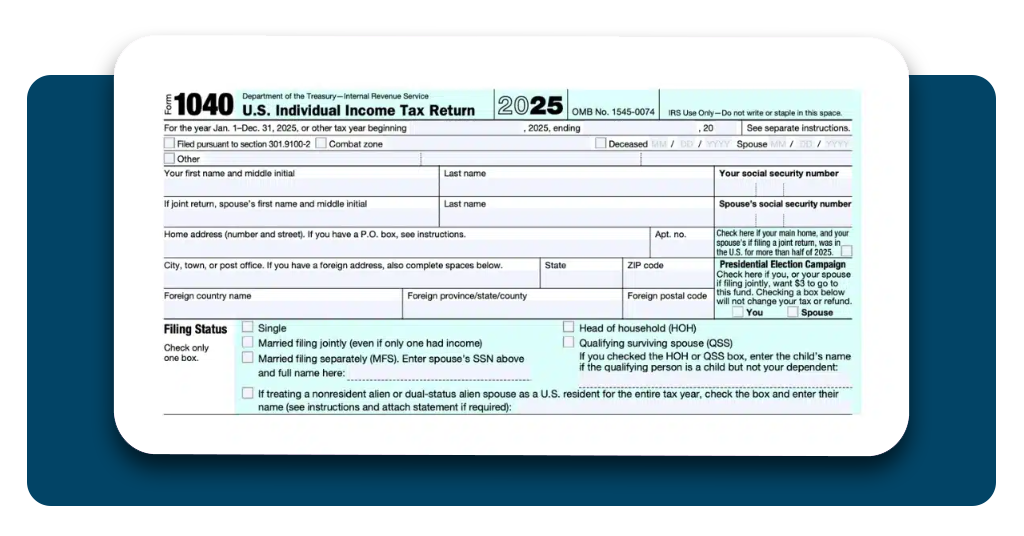
Common documents people forget
Many filing delays happen because taxpayers overlook smaller records that seem unimportant at first glance. These are some frequently forgotten documents:
- Bank interest statements;
- Brokerage account tax forms;
- Cryptocurrency transaction records;
- Health insurance forms;
- Marketplace insurance statements;
- State tax refunds from prior years;
- Side-hustle income records.
Reviewing financial accounts before you file your taxes can help identify missing documents before they become a problem—and I’m sure you wanna skip that.
The tax return starts long before tax day
Most people think tax season begins when they open their filing software when, in fact, tax season begins the moment you start collecting records.
The easiest way to file your taxes is not necessarily to use a particular platform or service, but to arrive at tax season with complete and accurate documentation already in place.
When it comes to tax returns, the clearer that picture is, the smoother the filing process becomes. And when all the right documents are ready before you file your taxes, the experience tends to feel far less stressful.