
Online shopping is today part of everyone’s life so naturally that most people barely think about how regularly their card information is getting shared across websites, apps, subscriptions, food delivery services, streaming platforms, and random online stores they may never use again afterward, and that constant exposure makes virtual credit cards a safer option for digital transactions.
This way, instead of using the physical card number directly during online purchases, a virtual credit card generates temporary or digitally linked payment information connected to the original account, reducing the chances of sensitive banking data being exposed repeatedly across different websites and payment systems.
What is a virtual credit card and how it works
Before anything else, Credhelper will explain what a virtual credit card is.
A virtual credit card is a digital payment card connected to an existing credit account that generates separate card information for online purchases and digital transactions.
With that, there’s no need to enter the physical card number directly on websites or apps.
A Virtual credit card gives a temporary or digitally generated card number that processes payments while protecting the original account details.
Many banks and financial institutions allow users to create virtual cards directly through mobile banking apps or online account dashboards.
Sometimes, bank accounts also permit custom expiration dates or spending limits attached to the generated card.
That extra layer can lower fraud exposure during online shopping, subscription services, travel bookings, and transactions involving unfamiliar websites.
The biggest advantage is that using separate digital card details tends to feel much safer than repeatedly typing the same physical card number across half the internet.
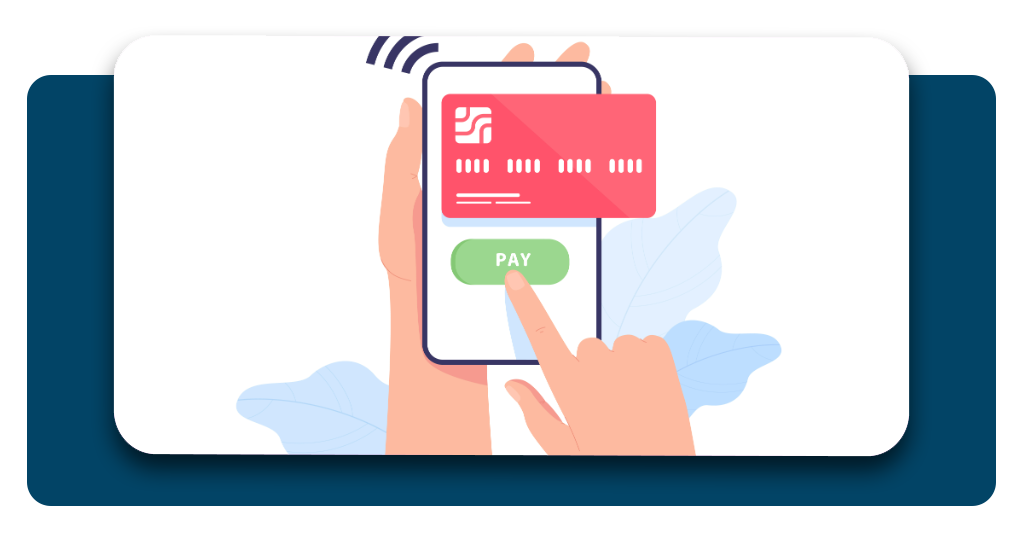
Differences between virtual and physical cards
The main difference between a virtual credit card and a physical card is the way payment information is generated and used during transactions.
For example, a physical card exists as a permanent payment method with fixed numbers printed directly on the card.
It allows purchases in stores, ATMs, and online platforms using the same account details repeatedly.
A virtual credit card, on the other hand, generates digital payment information limited to specific merchants or configured with customized spending controls.
That flexibility makes virtual cards really useful for online shopping and subscription payments.
The main goal here is giving users the ability to reduce direct exposure of the original card number during digital transactions.
But it is important to emphasize that physical cards still remain necessary for many everyday situations.
In case of in-person purchases, cash withdrawals, or payment systems, for example, you may need a physical card, because these situations don’t support virtual credit cards.
Step-by-step: how to use a virtual card for payments
Using a virtual credit card is pretty much the same thing as making a normal online purchase, although the payment info is generated digitally through your banking platform.
Check the tutorial below to learn how to use a virtual credit card:
Step 1: access your banking app or account
First of all, open the mobile banking platform or credit card dashboard connected to the account that supports virtual card generation.
Step 2: create the virtual card
Now you need to generate a new digital card number and review any available settings such as expiration dates, spending limits, or merchant restrictions.
Step 3: copy the payment details
Then, use the virtual card number, expiration date, and security code provided through the platform during the online checkout process.
Step 4: complete the transaction
Lastly, finish the payment normally through the website or app while the transaction processes through the linked credit account.
Security benefits and limitations
As we mentioned, the main reasons why people use virtual credit cards are the additional protection they provide during online purchases and recurring digital payments.
These virtual credit cards generate separate payment details from the physical card, reducing direct exposure of the original account information across the web.
Also, some providers permit temporary card numbers, spending limits, merchant restrictions, or automatic expiration settings that add another layer of control for online transactions.
Meanwhile, virtual credit cards still have limitations depending on the bank, payment network, or merchant system involved in the purchase.
Therefore, certain websites, hotels, subscription services, or physical payment terminals may not process virtual cards correctly.
This situation happens even more when a physical card is required during identity verification or in-person transactions later.
Still, for many users, virtual cards work best as an additional security tool for online activity instead of functioning as a complete replacement for traditional physical credit cards.
When to use a virtual card for safer transactions
You already know that a virtual credit card is useful during situations where payment info may remain stored online for long periods or shared across unfamiliar digital platforms.
That’s why many people prefer using virtual cards for online shopping or any other type of online payment made through websites they have never used before.
The added protection becomes even more valuable when buying from smaller online stores or platforms where users feel uncertain about long-term data security practices.
In addition, virtual credit cards can help control recurring charges more effectively.
And this is particularly better when the provider allows temporary expiration settings or easy cancellation after a purchase is completed.
For subscription management, separate virtual card numbers make it easier to isolate specific services and reduce the risk of forgotten recurring payments continuing for months.
Give it a try and maybe you’ll sleep better knowing random online stores do not permanently hold the exact same physical card information connected to their primary banking account.
How to make online payments feel more secure
Virtual credit cards are getting more popular as digital payments have started exposing personal banking information across countless websites and apps every day.
Using separate digital card numbers for transactions can reduce fraud exposure and give users more control over how payment information is shared during online activity.
Moreover, virtual cards work best when people understand both their advantages and their limitations, especially in situations requiring physical card verification.
Still, virtual credit cards add an extra layer of protection that makes everyday online purchases feel much safer and easier to manage over time.
Looking for financial tips? Favorite CredHelper to learn how to manage your finances like a pro using the best available tools.