
Legend: Learn to handle many credit cards wisely: more perks, less debt. Avoid the application spree, no matter what, to guard your credit-related history.
Knowing how to manage multiple credit cards successfully is a skill that can transform your monetary well-being. When done right, having several bank cards lowers your credit use and builds a diverse profile. However, negligence can tank your rating and get you a huge debt.
The truth is, there’s no established boundary on how many cards you can hold. It is important that you can manage to stay together and control spending temptations. If you execute a good plan, you can enjoy benefits and perks without harming your credit score.
What you need to know about manage multiple credit cards

Having several bank cards can be smart if you stay organized and disciplined. There’s no set limit on how many you can have—what matters is responsible management.
When handled well, many cards reduce your credit consumption by spreading expenses across a higher total financial burden. Keeping your usage under 30% helps your score.
A diverse credit profile shows creditors that you can handle various kinds of credit accounts. You get flexibility with a diverse credit profile. You can choose plastics that offer rewards, cashback, or special rates for purchases.
Before getting a bank card, think carefully if you can really handle another monthly bill and due date. Be honest with yourself about your ability to control another credit card.
How multiple cards affect your score
To manage multiple credit cards disturbs your credit rating in several key ways, according to the sources:
- Positive impact when managed well: Responsible use can make your credit rating shine by lowering your debt and building a varied credit history;
- Hard inquiries: Every new application triggers a hard review on your credit line. Thus, too many of them in a short time signal desperation to lenders and damage your credit ranking;
- Payment history: The major danger is forgetting a payment. Not paying attention to a due date on any card can hurt your score significantly;
- Credit consumption: Even if your combined credit line is large, exceeding 30% manipulation on any card can harmfully influence your rating;
- Closing old cards: Your earliest plastic lengthens your credit track record. It can decrease your average account longevity and might hurt your credit standing.
In short, handling many cards can function in your favor if you pay on time and keep balances low. But every application, missed due date, or unnecessary closure of a long-standing account can harm your rating more than you realize.
Step-by-step: how to organize payments and limits
Based on the recommendations from both financial institutions, follow these steps to stay organized:
- Step 1. Track all dates for payments: Establish auto-pay on every product to evade lost payments;
- Step 2. Keep use low: Stay below 30% on every card you owe, or pay mid-cycle, so you can keep balances near zero;
- Step 3. Use cards tactically: Assign every card a type of expense;
- Step 4. Space out applications: if it is necessary, apply for no more than one or two new cards per year;
- Step 5. Never close old cards: Do not close your oldest accounts and use your plastic for a minor acquisition every few months.
If you follow this procedure, you will stay prepared and will guard your credit standing. Small conveniences like auto-pay and strategic spending make handling many cards much easier over time.
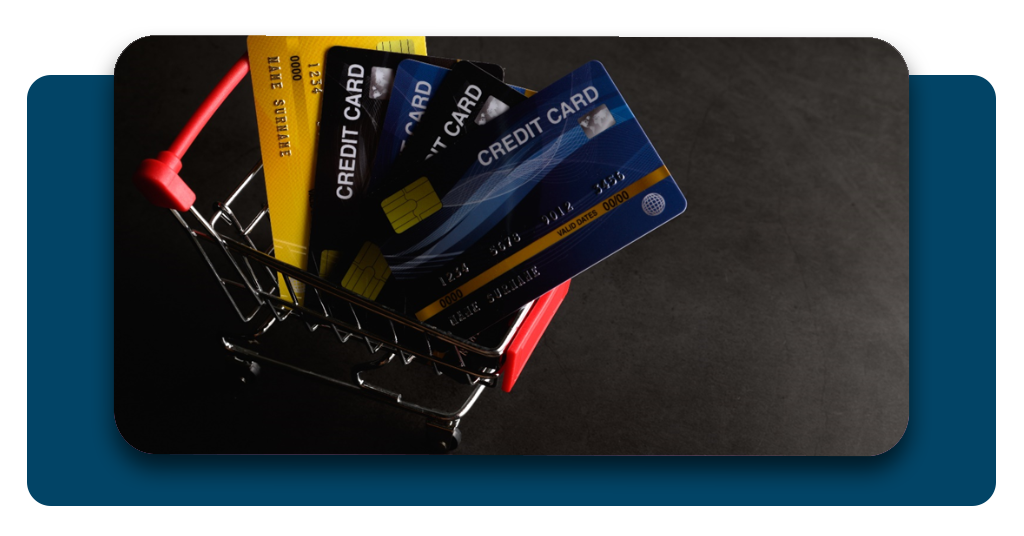
Best strategies to avoid debt accumulation
To enjoy many cards without liabilities, avoid an application spree. Don’t apply for several just for bonuses—each hard inquiry can hurt your credit profile.
Likewise, you should avoid carrying high balances on any card. If you already struggle to pay off what you owe, opening another account will likely make your situation worse rather than better.
Be very cautious with balance transfers, as they can help you pay down debt only if you stay disciplined. Otherwise, you may end up with even more debt than before you started.
Finally, be honest about your limits and evaluate your cards once a year. If a card with an annual fee no longer fits your expenses, contemplate closing it after weighing the impact on your credit rating.
Common mistakes when handling multiple cards
You must avoid certain actions when you manage multiple credit cards:
- Fail to recall payable dates: This results in late dues, which harm your rating and may cause penalty fees;
- Maxing out individual cards: Even if your total usage is low, a single card close to its ceiling damages your rating;
- Applying for too many cards fast: this indicates money troubles and briefly decreases your rating;
- Closing old bank cards: this will reduce the average length of your credit history and lower your total accessible credit, which can raise your use ratio;
- Opening new cards before a major loan: Lenders may see new credit applications as a warning when you apply for a mortgage or auto loan;
- Ignoring benefits and changes: Rewards programs are always changing. If you do not look at the terms of your card, you might miss out on some things that the rewards programs offer.
In summary, if you do not make these six mistakes with your bankcard, you will be able to shield your credit rating. You will get the most value from every rewards program that your bank card gives.
Plastic power: How to win the credit card game without losing your wallet
To manage multiple credit cards, you need to be organized and have self-control. You also need to check how you are spending your money all the time. If you do it right, the rewards for the good things will be much better.
If you make one mistake, like not paying a bill or using up all the money on a credit card, it can mess up all the good things you did for months.
So, you should try to do the things consistently, schedule your payments to happen automatically, and check your cards once a year. This way, you will be sure you are doing everything right with your credit cards.
Discover more tools and tips to strengthen your financial well-being by visiting CredHelper. We connect you with loans, the best credit cards, insurance, and financial education content.