
When expenses rise and income barely moves, it’s easy to feel stuck. Monthly benefits exist for situations like this, and finding out what applies only takes a few minutes.
Most people overlook available help because the process feels unfamiliar or buried under too many links, but there’s a simpler way to see what’s open in your area.
This is a CredHelper guide built to make things easier to navigate. Keep reading and discover how one tool connects you with real support that’s already available.
Read Also: Veteran loan programs: access VA-backed options with lower interest
Where to find free monthly benefits?
| Pricing: | Free. |
| Available For: | Web. |
BenefitsCheckUp is a free tool built to help you find real programs that match your needs, using just your ZIP code, income details, and living situation.
Pick the kind of help you want, like groceries, healthcare, or utility support. Then answer a few short questions to unlock your personal list of resources.
Your results include monthly benefits tailored to you, with links, contact information, and clear next steps to apply. It’s simple, free to use, and updates constantly.
Why you might not know you qualify
Benefits programs aren’t always advertised where you’d expect. They’re tucked behind outdated websites, paper forms, or public offices you might not even know still exist.
The process to apply seems designed for frustration. If you’ve tried before, it likely felt confusing, repetitive, or even unclear about what was actually needed to move forward.
Some programs don’t update their online info regularly, and others get lost in long agency lists. That’s why using a central tool like BenefitsCheckUp changes everything.
How benefits can cover urgent expenses
You might think monthly benefits only apply to long-term needs, but they also support urgent situations like skipped bills, lost work, surprise medical costs, and missing groceries.
Programs exist to cover utility shutoffs, overdue rent, or a gap between paychecks. You’re not stuck waiting. Use the quiz and get matched instantly with real help.
Most of the available benefits are backed by local, state, or federal sources. They’re designed to respond quickly and prevent short-term problems from spiraling into larger ones.
Common misconceptions about monthly aid
One common misunderstanding is that help is limited to those with zero income. But plenty of programs factor in dependents, expenses, or part-time or seasonal employment.
People also think applying might “use up” benefits for later. In reality, eligibility resets or changes as your situation shifts, making it worth checking more than once.
Some believe monthly benefits only apply to seniors or people with disabilities, but many programs exist for families, caregivers, renters, and others navigating financial strain right now.

Step-by-step guide to finding available benefits near you
BenefitsCheckUp is built to be direct and usable. Instead of bouncing between programs, you get a focused tool that narrows things down based on your situation.
The process begins with just a few easy prompts. Your ZIP code unlocks nearby programs, and a checklist helps filter which types of assistance apply to your needs.
Once completed, your results include everything from local food help to monthly benefits supported by government programs, nonprofits, and community agencies.
Step 1: enter your ZIP code to begin
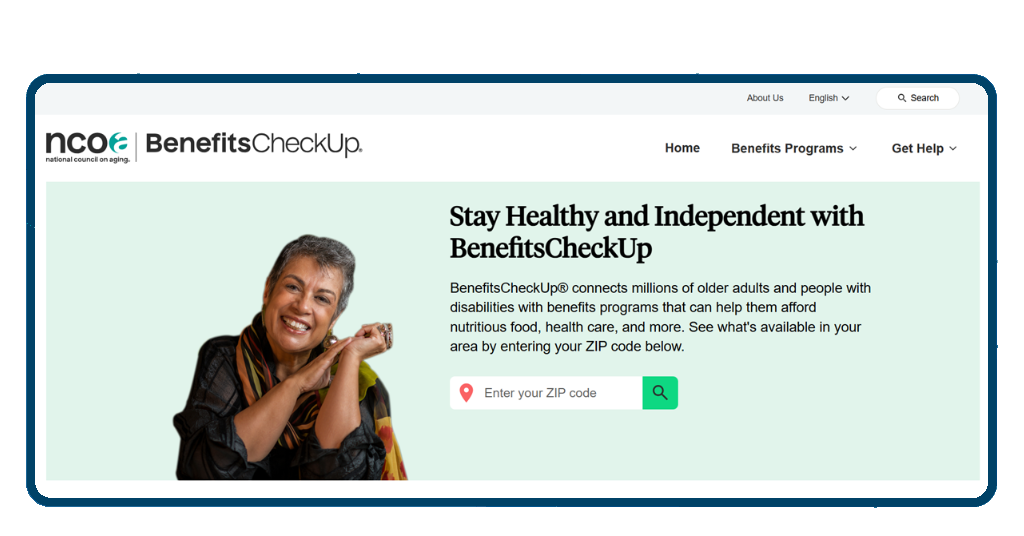
The first thing the tool asks for is your ZIP code. That single detail connects you with programs already operating in your exact town or city.
From there, BenefitsCheckUp filters out programs that don’t serve your area. That way, your time goes into reviewing real support instead of statewide lists you’ll never use.
The tool doesn’t collect anything sensitive. No names or documents are required just to view what’s available, and your results stay private unless you choose to save them.
Step 2: pick the type of help you need
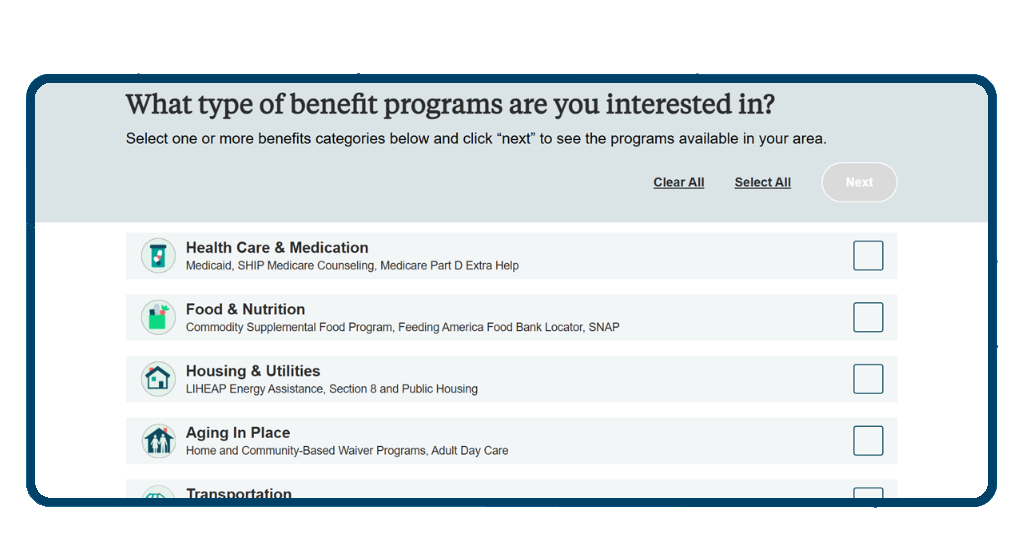
After location, the next step is selecting what kind of support you’re looking for. You can choose food, housing, medical care, transportation, income, and more.
This selection narrows your matches based on what matters most today. Some programs are local and seasonal, while others are long-term and serve households across different situations.
You’ll also see if monthly benefits apply, depending on your answers. These can include support for bills, medication, or services available based on eligibility and where you live.
Step 3: see your matched programs instantly
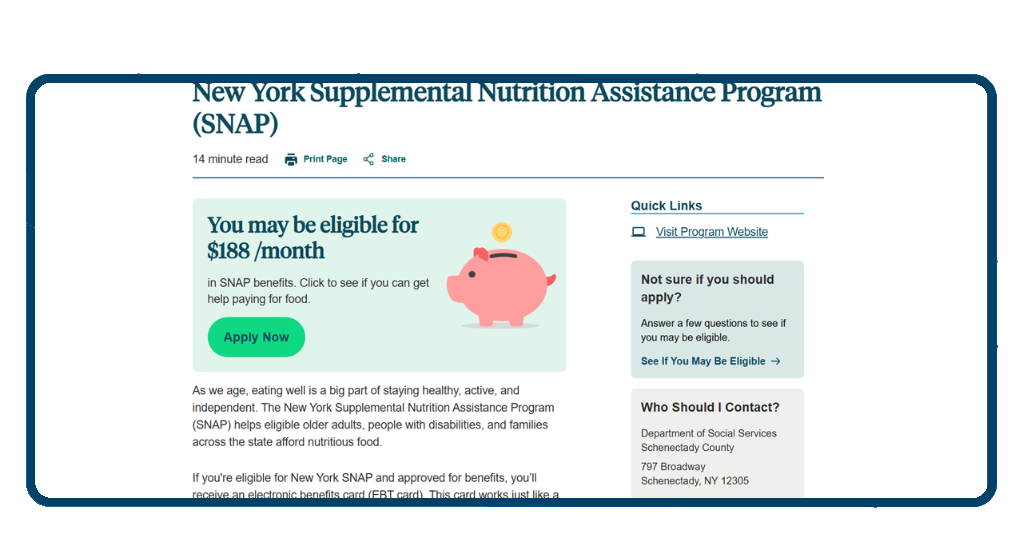
Once your preferences are entered, the tool shows a list of available programs. Each entry includes a summary, contact details, and how to begin the application process.
You’ll also receive access to downloadable results you can print or save. This helps when contacting agencies or gathering documents to apply for multiple services at once.
At the end, programs offering monthly benefits are clearly marked, so you can prioritize recurring help alongside emergency support based on your current needs.
Read Also: Retirement Planning for Gig Workers: Exploring SEP IRAs and Solo 401(k)s
Types of free assistance and services available
Programs listed on BenefitsCheckUp cover a wide range of real-life needs. Many go beyond emergency support and offer recurring help tied to health, food, and housing.
You’ll find both national and community-based programs. Some help with immediate relief, while others offer steady support that adapts to your situation as it changes over time.
Among these options, monthly benefits may include cash support, food programs, transportation assistance, medication access, and home maintenance help, all depending on local availability.
Monthly cash and grocery support
Some programs provide cash aid to help with essentials like food, diapers, or cleaning supplies. Others offer monthly boxes with balanced meals ready to prepare.
You’ll also find grocery cards and food delivery programs designed for people balancing limited income with ongoing nutritional needs, without requiring application processes every month.
These resources can supplement what’s missing from your fridge and pantry, reducing stress during lean weeks and opening room in your budget for other immediate expenses.
Help for medicine and prescriptions
Managing medication costs is a daily challenge for many people. That’s why BenefitsCheckUp includes options for reduced prices, refill discounts, and access to critical treatments.
You’ll also see monthly benefits tied to health conditions like asthma, arthritis, or diabetes. These programs often provide the tools and medications required to manage ongoing care.
Some even include telehealth support or home delivery for prescriptions, helping you maintain treatment routines while spending less time and money picking up medicine in person.
Aid for housing and utility bills
Staying housed isn’t just about rent. Repairs, heating, and electric bills all play a role in keeping your space safe, livable, and functional every month.
Programs may offer help with overdue bills, repairs, or prevention funds that cover problems before they become emergencies. Some even support accessibility updates for limited mobility.
A few also provide monthly benefits in the form of energy credits, home upkeep stipends, or expanded weatherization plans that help reduce future costs and improve living conditions.

Documents needed to register for benefits
Before applying, it helps to gather a few personal documents. They’ll speed up the process and reduce back-and-forth with program staff or agencies.
Requirements vary depending on what you apply for. But most programs will ask for basic identification, income proof, and documents that help confirm your household or health needs.
If you’re applying for monthly benefits, having everything ready can help your application move quicker and limit interruptions while someone reviews your request behind the scenes.
Identification you’ll likely be asked for
Most programs want to verify who you are before anything else. Government ID, driver’s license, or immigration card are the most commonly accepted documents for that.
If you don’t have a license, alternatives like birth certificates or benefit award letters sometimes work. It depends on the agency, but photo ID is usually preferred.
Documents must be current and clearly show your name. Copies are accepted in many cases, and scanned versions can be uploaded directly if applying through an online system.
Income and expense proof examples
To apply for support, you’ll need to show earnings from jobs, benefits, or pensions. These help determine the type and amount of monthly benefits you’re eligible for.
Accepted proof might include pay stubs, recent bank statements, EBT card records, or letters showing child support, disability, or other recurring income that impacts your household budget.
Expense documentation matters too. Rent receipts, bills, or medical costs help paint a complete picture of how your income is spent and what type of help fits best.
What to expect after submitting forms
Once your documents are submitted, a caseworker usually reviews everything. You might get a call, email, or mailed letter asking for clarification or missing details.
Some programs have set response timelines, while others vary. If you haven’t heard anything in two weeks, it’s worth contacting the agency directly for an update.
Final decisions about monthly benefits are shared in writing. If approved, instructions follow. If denied, you’ll be told why and how to fix or appeal the decision.
Read Also: Home Closing Costs: Understanding the Fees and Taxes
Get the support you might be missing
Support programs exist to help with daily gaps, not just emergencies. When resources are clear and action feels doable, getting help turns into something real instead of something distant.
This was a guide by CredHelper, written to help you see monthly benefits as something within reach. One quiz and the right documents are enough to get started.
For more articles on government benefits that explain how things work, keep browsing CredHelper. We keep things practical, useful, and grounded in what matters most to you.