
Credit struggles extend far beyond numbers on a report, and it makes daily decisions being impacted by fear of rejection, and the feeling of being financially stuck. Applications for basic services or simple credit products can turn into repeated reminders of past setbacks. Further, this avoidance reinforces the idea that recovery is unreachable, even though most bad credit issues originate from specific moments such as job loss or medical expenses.
The situation changes once rebuilding is framed as a process, and where tools create a clear path forward with manageable steps. Keep in mind that bad credit does not represent a dead end, but a stage that can be addressed through products designed to restore trust gradually and visibly. When progress becomes measurable and expectations remain realistic, confidence returns alongside improvement, transforming credit recovery into an achievable transition toward stability.
Why Credit Troubles Don’t Mean You’re Out of Options
Usually, some people feel that credit trouble is permanent when rejection repeats, even though they know credit systems are designed to respond to recent behavior.
For your information, a low score usually reflects a specific period of difficulty instead of a fixed judgment about financial reliability.
Things like payment history and account activity are analyzed, but they can change over time, which means new positive data gradually reduces the weight of older mistakes.
As months of consistent behavior accumulate, the score begins to reflect stability instead of setback.
Even so, some people pause action out of shame or uncertainty, assuming options disappear once credit declines. In reality, specialized products exist to restart reporting and rebuild trust step by step.
The thing is: bad credit does not close every door. All you need is to start your progress through tools that replace avoidance and create visible momentum toward recovery.
Best Credit Cards for Bad Credit to Help You Rebuild Safely
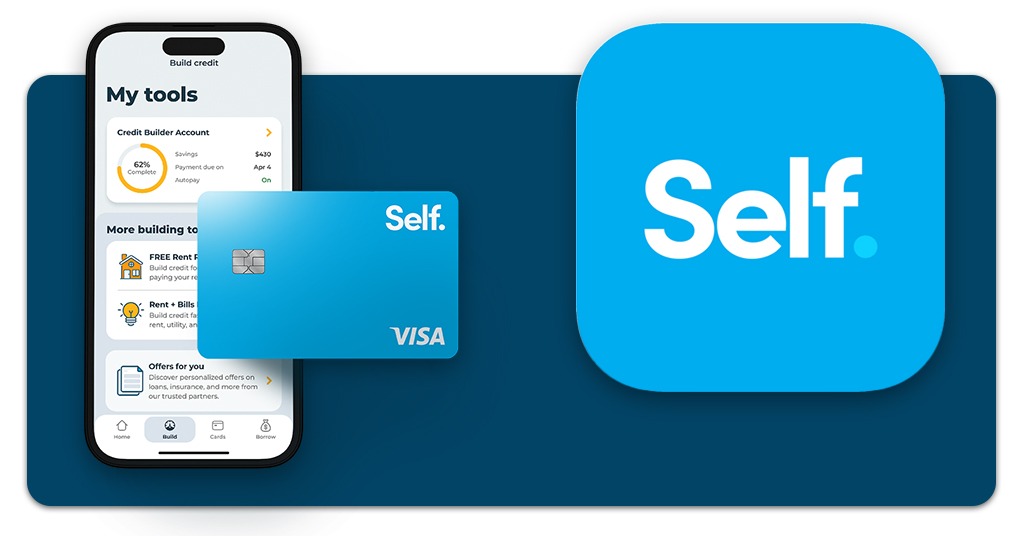
CredHelper picked Self – Credit Builder & Cash (iOS/Android) as the best app to help you rebuild safely. Self is an app that stands out as a purpose-built solution for people who need to rebuild credit with structure instead of uncertainty.
Rather than offering traditional revolving credit immediately, Self focuses on creating positive payment history through controlled products designed specifically for recovery.
The platform combines a credit builder account with a secured card experience, allowing users to make regular payments that report to major credit bureaus.
Moreover, the Self app plays a central role in this process by making progress visible and easy to understand.
Users can track payments and see how each action contributes to rebuilding trust over time without navigating complex financial language.
By emphasizing education and gradual advancement, Self transforms credit rebuilding into a guided path.
Understand Secured Cards & Deposit Requirements
To begin with, we can say secured cards operate through a refundable deposit that establishes the credit limit, which allows access even when traditional approval paths remain closed.
Meanwhile, deposit requirements create predictability, as spending cannot exceed the amount already set aside.
This is what helps prevent balances from escalating unexpectedly, and each payment follows clear rules that reinforce consistency and discipline over time.
With Self – Credit Builder & Cash, the deposit works alongside a guided system that reports activity to major credit bureaus.
Consequently, progress depends on regular payments rather than spending volume, keeping attention on behavior instead of credit availability.
This model turns bad credit to a learning phase with visible boundaries. Improvement happens gradually through learning and repetition, not leaving you on guesswork.
Track Your Score as It Improves
Tracking a bad credit improvement plays an important role in maintaining motivation for everyone, mainly when progress happens gradually and requires consistency for some time.
Without visibility, positive behavior can feel disconnected from results, which often leads to discouragement or abandonment of the process.
When we talk about Self, the app integrates score monitoring, allowing users to see how payments, balances, and activity influence their credit profile.
Therefore, someone who’s watching small scores increases, gets healthy habits reinforced, and each improvement confirms that effort is producing measurable results.
Lastly, regular tracking also helps users adjust behavior early if something gets off course. Improvement stays intentional once awareness becomes part of the rebuilding routine rather than an occasional check.
How to Graduate to an Unsecured Card
Moving toward an unsecured bad card marks a shift from recovery to stability, as lenders begin to recognize consistent and reliable credit behavior.
This stage reflects discipline and patterns that demonstrate control rather than short-term improvement.
Self supports this transition through regular payments, steady balances, and continued reporting help establish a gradual progression that aligns behavior with eligibility
As confidence builds, opportunities expand naturally. For example, deposits may become refundable, limits can increase, and applications for unsecured cards feel realistic instead of uncertain.
Graduation signals readiness for the next phase of financial independence. Credit use evolves from rebuilding into expansion, opening doors to products that offer greater flexibility while remaining manageable.
Credit Card for Bad Credit: Rebuild Your Score With Secure, Safe Options – Conclusion
Everyone knows that living with bad credit often creates the impression that financial progress has stalled, even though credit systems remain responsive to consistent and intentional behavior.
Self offers a practical path forward by combining education and clear progress tracking within a single system.
With this tool, each payment contributes to visible improvement, helping confidence return alongside credit strength.
In short, bad credit does not define future access to opportunities. With the right tools and habits in place, rebuilding becomes a manageable process that leads toward stability and long-term financial growth.
Related: Credit Score Hacks: What Actually Works in 2025
Looking for financial tips? Favorite CredHelper to learn how to manage your finances like a pro using the best available tools.