
A small business loan can feel like a closed door when a new venture has demand, discipline, and a clear service offer, yet still lacks the formal signals that lenders typically expect in the United States. That tension shows up fast for founders who operate with limited runway, since each week spent guessing the “right” loan type or lender can delay marketing, equipment purchases, or the first paid hires.
The process starts making sense once the search turns into a structured comparison that connects loan programs to eligibility logic, documentation, and repayment realities that match early-stage operations. If you use the Quickbooks app, you get help to organize financial records and simulate repayment stress. The entrepreneur gains a practical map that turns uncertainty into a plan built on numbers and lender criteria.
Entrepreneurs Need Capital — But Not Every Bank Says Yes
This gap exists for a clear reason, since many banks evaluate startups through underwriting rules that assume stable historical patterns even when the venture is new.
When revenue history is thin, credit files are short, or bookkeeping is informal, a denial can occur even if the business itself shows strong local demand.
The hardest part is that rejection often arrives without detailed feedback, which leaves the founder unsure about which variable triggered the decision.
A single missing element, such as inconsistent deposits or unclear use-of-funds language, can weaken an otherwise reasonable request.
Once this is understood, the goal shifts from finding a bank to building a lender-ready profile that survives review logic.
That shift reduces wasted applications, since each submission can be designed to match an approval pathway.

Small Business Loan Finder: A Faster Way to Explore Funding
A small business loan finder works as a shortcut to clarity, since it organizes options around eligibility, use cases, and cost structure instead of marketing language.
That organization matters early, since founders often compare programs that are not comparable, then assume the market is confusing when the real issue is mismatched criteria.
This method accelerates decision-making, since it separates possible from unlikely before paperwork begins.
When the entrepreneur sees where personal credit, business age, revenue, collateral expectations, or guarantees fit into each product type, the process turns into selection instead of speculation.
Also, a practical map reduces emotional friction, since clarity creates momentum even when the answer is “prepare first”.
That momentum tends to preserve discipline during the weeks when a startup must keep selling while also building documentation.
Microloans and SBA 7(a) Versus Online Lenders
This comparison is important because each route reflects a different tradeoff between underwriting depth, cost of capital, and speed to funding.
Usually, microloans align with modest capital needs tied to tangible next steps. And this can suit a small operation that needs equipment or working capital that immediately converts into billable jobs.
SBA 7(a) loans operate through partner lenders under federal program rules, which generally means tighter documentation expectations paired with longer terms and more predictable structures.
That structure can help when the venture has a coherent plan for expansion, since repayment logic can be modeled across months rather than weeks.
Meanwhile, online lenders often approve faster, yet the convenience typically carries higher costs that can compress margins when early revenue is still stabilizing.
The right choice is the one whose repayment profile matches the venture’s cash timing, so the loan supports growth without creating a constant liquidity crisis.
How to Prepare Docs Lenders Actually Want
This stage is considered the most important, since lenders evaluate coherence across records, narratives, and numbers, then treat inconsistencies as risk signals.
That said, a solid request usually connects the use of funds to measurable operating outcomes, then supports that connection with records that show how money already moves through the business.
SBA.gov helps set expectations, since it outlines program fundamentals and frames what lenders typically ask when SBA-backed funding is on the table.
That guidance reduces guesswork and helps founders avoid submitting documents that feel complete but fail to answer lender questions.
The QuickBooks app supports preparation, with clean categorization and consistent reporting that helps translate daily activity into lender-readable financial patterns.
When reporting is reliable, the entrepreneur can explain margins, seasonality, and cash gaps with credibility that holds up during underwriting review.
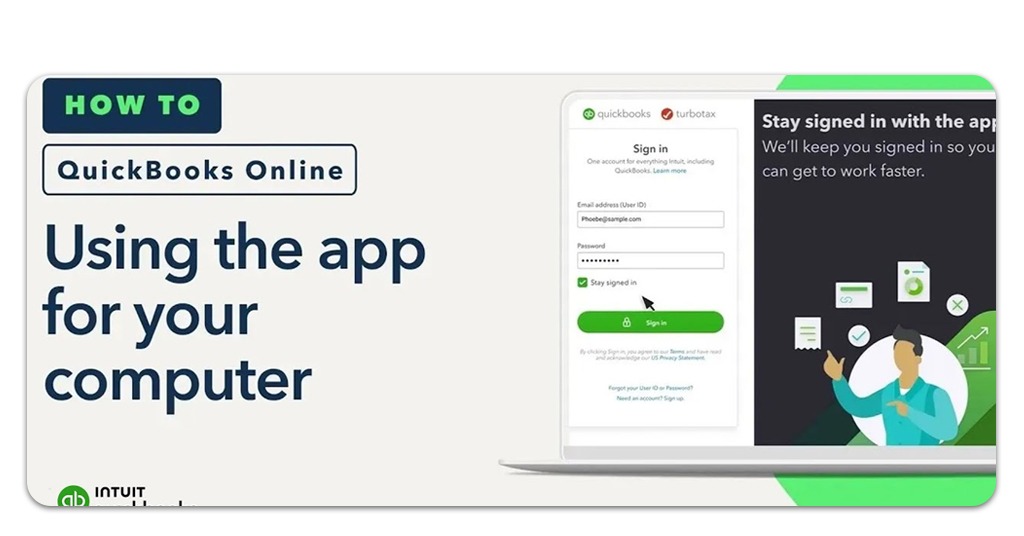
To download Quickbooks and start to prepare docs lenders, you need to get it from the App Store, for iOS devices, or from the Play Store, for Android devices.
Practical Tips to Increase Your Approval Odds
First thing you need to know is that approval odds rise when the application reads like an operational plan expressed through numbers, since lenders want to see repayment logic that survives normal business volatility.
A request that matches the business stage, the funding purpose, and the cash cycle tends to look credible, which reduces the risk signals that trigger denials.
In addition, a strong approach uses simulations and budgeting discipline. The entrepreneur can test monthly payment pressure before committing to a structure that quietly strains operations.
That preparation also improves communication with lenders, since questions can be answered with consistent figures instead of estimates that change between conversations.
One small improvement, such as tightening expense categories or clarifying the timeline for how funds convert into revenue, can materially strengthen the submission.
This is how the process starts feeling fair, since the entrepreneur controls the inputs that lenders measure.
Small Business Loan: Compare Funding Options for Your Startup – Conclusion
In short, CredHelper explained in this article that a small business loan stops feeling mysterious once the entrepreneur treats funding as a structured match between eligibility, documentation quality, and repayment mechanics.
SBA.gov can anchor trustworthy understanding of SBA pathways, while QuickBooks Capital can strengthen the financial clarity that lenders rely on during review.
Together, they support a process where the entrepreneur can explain cash flow behavior, justify the loan purpose, and anticipate monthly pressure before signing anything.
Related: Start your own business: simple guide to begin now
Looking for financial tips? Favorite CredHelper to learn how to manage your finances like a pro using the best available tools.